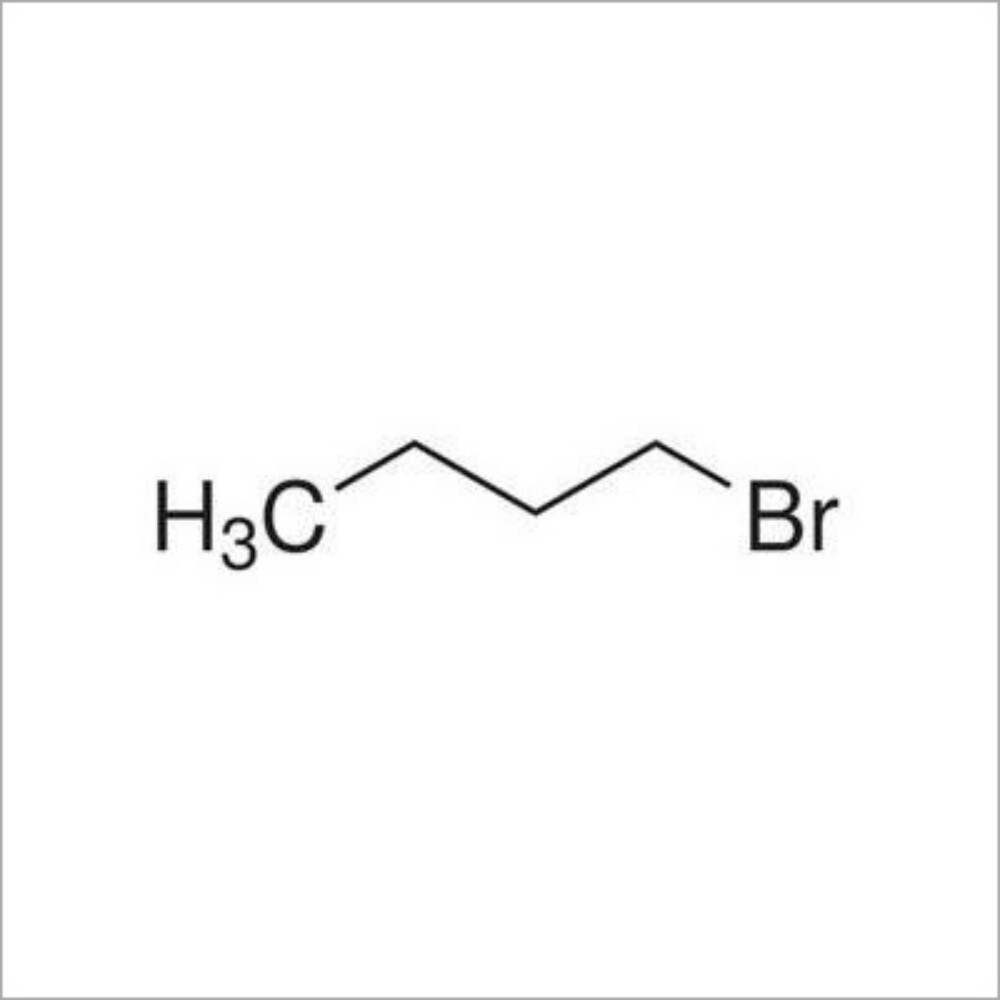
About N Butyl Bromide
In tandem with ISO 9001:2008 certifications of quality, we are offering a superior quality N Butyl Bromide. Offered bromide is formulated from a n butyl alcohol and hydrobromic sulfuric acid mixture that is made available in the form of a colorless to pale straw colored liquids in a safe manner. This bromide is utilized as an intermediate for forming alkylated metallic compounds and alkylated amines. Our quality controllers inspect this chemical compound on the basis of purity effectiveness and composition to ensure its compliance with quality standards. Clients can avail this N Butyl Bromide from us at affordable rates
Features:
|
Description
|
Clear colorless liquid.
|
|
|
1.26 - 1.28
|
|
Solubility
|
Insoluble in water, soluble in alcohol.
|
|
Moisture content
|
Not more than 0.1
|
|
Purity (by GC)
|
Not less than 99.0
|
Reliable Chemical for Industrial ApplicationsN-Butyl Bromide serves as a versatile intermediate, particularly in the pharmaceutical and agrochemical sectors. Its high purity and stable nature make it a preferred choice for various organic syntheses and alkylation processes. The products consistency and reliability ensure optimal performance for demanding industrial requirements.
Safe Handling and Storage GuidelinesDue to its flammable, toxic, and lachrymatory properties, N-Butyl Bromide must be handled with appropriate PPE and caution. Store the chemical in cool, dry, and well-ventilated areas, away from sources of ignition and strong oxidizers. Using suitable containers such as glass, plastic, or stainless steel drums further enhances safety during transportation and storage.
Applications Across Multiple SectorsWidely used in the synthesis of medicines and crop protection agents, N-Butyl Bromide is also valuable in organic research as an alkylating agent. Its chemical properties support efficient molecular modification, making it a core component for laboratory innovation and product development across several sectors.
FAQs of N Butyl Bromide:
Q: How should N-Butyl Bromide be stored to ensure its maximum shelf life?
A: N-Butyl Bromide should be kept in tightly closed containers made of compatible materials like glass, plastic, or stainless steel. Store in a cool, dry, well-ventilated area, away from sources of heat, ignition, and reactive chemicals. When stored properly, it maintains stability and retains a shelf life of up to 2 years.
Q: What industries commonly use N-Butyl Bromide, and for what purposes?
A: N-Butyl Bromide is frequently utilized in the pharmaceutical and agrochemical industries as an intermediate and alkylating agent. It also serves a role in organic synthesis, enabling the construction of more complex molecules for various chemical processes.
Q: When should extra precautions be taken while handling N-Butyl Bromide?
A: Extra precautions are necessary at all times due to its toxicity and flammability. Use proper personal protective equipment (PPE), ensure work areas are ventilated, and avoid contact with skin, eyes, and clothing. Immediate action is required if spills or exposure occur, as it can irritate and harm health.
Q: Where should N-Butyl Bromide not be disposed of, and what is the recommended procedure for disposal?
A: N-Butyl Bromide should not be poured down drains or onto soil. Dispose of it in accordance with local regulations through a licensed hazardous waste facility or chemical disposal service equipped to handle toxic and flammable substances.
Q: What are the benefits of using N-Butyl Bromide as an alkylating agent in organic synthesis?
A: N-Butyl Bromide provides reliable reactivity for introducing butyl groups into organic molecules, facilitating the creation of new chemical entities. Its high purity and predictable performance offer consistent results in research and industrial manufacturing, streamlining the development process.
Q: How can N-Butyl Bromides hazards be mitigated during transportation and storage?
A: Transport and store N-Butyl Bromide in approved containers that are tightly sealed. Label containers with hazard symbols and keep them away from incompatible materials. Following established safety guidelines minimizes risks and ensures compliant, secure handling.




 Send Inquiry


 Send Inquiry